








China policy is business strategy

China changes the conditions of competition. We help you decide what to do next.

China's policy, regulation, industrial strategy and geopolitical position affect markets, technologies, supply chains and investment decisions worldwide.
Sinolytics helps global companies understand what is changing, why it matters and what to do next.

Discover our services

What's in focus?

The world is changing fast. Here we highlight the issues that reshape strategies, impact decisions, and demand clarity.

From shifting geopolitics to supply chain disruptions, our Topics in Focus highlight the developments that matter. Explore real-world cases, our services, and the latest analyses.

Supply chain: risk assessment

Identify vulnerabilities and strengthen resilience against geopolitical disruptions.

Artificial intelligence: strategic impact

Understand how AI reshapes industries, regulation, and competitive dynamics.

China Business: Competing in China

China's innovation pace is redefining competitive benchmarks

Semiconductors: global dependencies

Uncover the strategic risks and opportunities in the world’s most critical technology.

Why Sinolytics

In-depth expertise and diverse perspectives

We bring together deep expertise and a diverse team of China specialists to deliver high-quality analyses and well-rounded solutions.

Actionable insights

We focus on practical, applicable insights that offer immediate value for business decisions.

Tailored strategies

We design every analysis and strategy to fit the specific needs and challenges of each client—no off-the-shelf solutions.

Understanding legal and political context


We integrate China’s legal and political frameworks into strategy, ensuring alignment with on-the-ground realities.

Geopolitical perspective

We assess how global geopolitical dynamics shape China’s market—and how they affect your business.

China as a core strength

We offer a level of China expertise that generalist consultancies simply can’t match.

Independent and balanced


We provide independent, balanced advice—unbiased, non-political, and grounded in evidence.

Why does choosing the right China advisor matter now more than ever?

From policy shifts to tech trends—see what’s shaping China today and how we help you stay ahead.

Explore Our Focus Topics
From strategy shifts in China to supply chain resilience worldwide, we help companies embrace change and drive growth.

Our services: Five ways to make better China-related decisions

Our services are built around decisions, not information for its own sake.

China-related decisions rarely fit into one category. Policy affects regulation. Regulation affects operations. Industrial strategy changes competition. Geopolitical shifts expose dependencies. Our services bring these connections into view and translate them into practical choices, whether you are reviewing your China strategy, assessing a new risk, preparing leadership for a major decision or building a clearer picture of your market.

Strategy consulting

Decide where China belongs in your strategy.

We help companies review and build China strategies in light of industrial policy, geopolitical risk, regulation, market dynamics and technological change.Typical questions include what your China strategy should look like now, where to localize and where to retain global control, how China should shape your global product, technology or footprint strategy, and which assumptions need to be challenged before the next investment decision.

Policy monitoring

Know what is likely to matter before it reaches the agenda.

We track relevant policy and geopolitical developments, then assess their likely implications for your sector, operations, supply chain and competitive position. The output is not a longer news feed. It is a clearer view of what deserves attention, what can wait and what action may be required.

Executive briefings

Give decision-makers a usable view of China.

Our briefings cut through policy language, conflicting signals and headline noise. They provide the context needed to challenge assumptions, align leadership teams and decide on a course of action. Briefings can support board and executive discussions, strategy reviews, market and investment decisions, and responses to sudden policy or geopolitical developments.

Regulatory risk assessment

Understand the rule before it becomes a constraint.

China's regulatory environment can affect data, technology, products, operations and cross-border structures. We assess the business implications of relevant rules and help companies distinguish between formal compliance requirements, practical enforcement risks and strategic consequences.

Market intelligence & data

See the market behind the headline.

We provide sector-specific intelligence on competitors, policy direction, market dynamics and China's evolving industrial capabilities. The aim is not to collect more data. It is to improve the quality of the decision built on it.

Do these services relate to you and your company?

Learn more about our services and topics to deal with the rapidly changing global situation.
Business success today depends on understanding the close link between geopolitics and China’s market dynamics.

The topics that define today’s China business landscape

With our expertise, you can act with confidence and clarity.

more about our topics

China’s market is transforming rapidly — driven by innovation, expanding capacities, government momentum, and fierce competition. At Sinolytics, we bring deep expertise across geopolitics, technology, strategy, business models, and regulation to help you understand and manage these shifts. We deliver comprehensive support and tailored solutions that empower you to act decisively and thrive in this complex landscape.

Geopolitics

China's relationships with major economies are reshaping trade, investment, technology access and supply-chain decisions. We assess how geopolitical developments, export controls, sanctions, tariffs and critical-material dependencies affect your business, and where exposure can be reduced or managed.

Technology

China is building a distinct technology ecosystem shaped by industrial policy, domestic regulation and global technology restrictions. We help companies assess developments in AI, semiconductors, digital infrastructure, data governance and industrial technology, with a focus on their strategic and operational implications.

China policy

China's policy system sets direction well beyond formal laws and regulations. We analyze national priorities, implementation signals and industrial policy to show where China is trying to move markets, capabilities and investment, and what that means for corporate decisions.

Regulatory strategy

Rules on data, cybersecurity, AI, products, investment and cross-border operations increasingly shape what companies can do in China. We translate regulatory developments into practical questions about compliance, operating models, risk exposure and strategic options.

China business

China is both a market and a source of competitive pressure. We help companies assess market access, local competitors, Chinese companies expanding abroad, China footprint decisions and the capabilities that can affect their position at home and internationally.

We help understanding challenges

Talk to our China experts

U.S.-China relations

Competition between the United States and China is changing the rules for global business. Tariffs, export controls, investment restrictions and technology policies can affect market access, sourcing, partnerships and product strategy. We assess how changes in the relationship may affect your sector and operating model, and help you distinguish between direct exposure, second-order effects and risks that remain speculative.

Supply chains

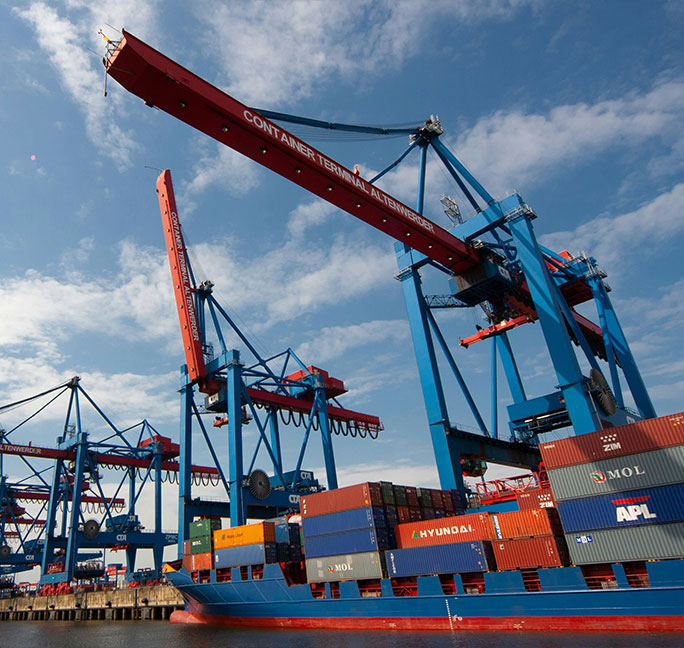
Supply-chain resilience starts with knowing where your exposure actually sits. Geopolitical risk can enter through suppliers, raw materials, processing capacity, logistics, data infrastructure or regulatory dependencies. We map relevant dependencies beyond tier one, assess the business impact of disruption and support practical stress tests, diversification decisions and monitoring priorities.

Trade and investment policies

Trade and investment rules increasingly shape strategic choices. Export controls, sanctions, tariffs and investment screening can change how companies source, invest, transfer technology and structure cross-border operations. We explain the policy direction behind these measures, assess their implications for your business and help identify practical options before a rule becomes an operational constraint.

EU-China relations

The EU–China relationship is becoming more strategic, and more demanding for business. Trade measures, economic-security policies, regulatory requirements and changing dependencies are affecting how companies assess China-related exposure. We help leadership teams understand the direction of travel, separate political signalling from material business impact and prepare for decisions involving investment, technology, market access and supply chains.

Chinese competition abroad

Chinese companies are competing internationally with greater scale, speed and technological capability. Their expansion can affect competitors, suppliers, customers and industry structures well beyond China. We assess where Chinese companies are building an advantage, how policy and financing conditions shape that expansion and what it means for your competitive position in international markets.

Split tech stack

Technology ecosystems are becoming less integrated and more political. Different standards, data rules, platforms and technology controls are creating practical constraints for companies operating across markets. We help clients assess how this fragmentation affects technology choices, product design, data flows, partnerships and long-term investment decisions.

AI

China's AI development is being shaped by both commercial competition and policy direction. Companies need to assess more than model performance. Regulation, data access, computing infrastructure, domestic platforms and international technology controls all affect what can be developed, deployed and scaled. We help clients analyze China's AI ecosystem, assess relevant regulatory and market developments, and understand the implications for products, partnerships, investment and global technology strategy.

Semiconductors

China's semiconductor ambitions affect companies across the technology value chain. Policy support, equipment restrictions, local substitution efforts and dependencies on critical inputs are changing the structure of the industry. The relevant question is not only where chips are produced, but where design, equipment, materials, packaging and know-how create exposure. We assess the policy and competitive forces shaping the semiconductor ecosystem and help companies identify dependencies, likely pressure points and strategic options.

Rare earths and raw materials

Critical materials can become strategic dependencies when supply is concentrated. Mining, processing capacity, export rules, substitution options and downstream demand all influence the resilience of technology and industrial value chains. We help companies assess where raw-material exposure could affect sourcing, costs, production or investment decisions. The focus is not on predicting every policy move. It is on identifying dependencies that deserve monitoring and preparing credible alternatives where necessary.

Battery technology and new energy

Critical materials can become strategic dependencies when supply is concentrated. Mining, processing capacity, export rules, substitution options and downstream demand all influence the resilience of technology and industrial value chains. We help companies assess where raw-material exposure could affect sourcing, costs, production or investment decisions. The focus is not on predicting every policy move. It is on identifying dependencies that deserve monitoring and preparing credible alternatives where necessary.

Smart manufacturing

China's industrial technology is changing how companies compete on cost, speed and flexibility. Automation, industrial software, connected equipment, industrial AI and digital twins are becoming part of broader efforts to upgrade manufacturing capabilities. We assess the technologies, companies and policy priorities that matter for industrial strategy and operational decisions.

Robotics

Robotics is becoming an important part of China's industrial and technology strategy. Policy support, manufacturing scale, component capabilities and customer adoption are shaping the development of the sector. We monitor the companies, technologies and market conditions that determine where China is building capability, and where expectations may run ahead of commercial reality. Our analysis supports decisions on competitive positioning, partnerships, sourcing and investment.

ICT and 5G/6G

China's digital infrastructure is developing within a distinct policy and standards environment. Telecom networks, cloud services, enterprise IT, data governance and emerging communications technologies can affect how companies operate across markets. We help clients assess regulatory direction, ecosystem dependencies, technology choices and the practical implications for cross-border operations.

Digital services

China's digital services market combines rapid adoption with close regulatory oversight. Platforms, payments, financial technology, digital currencies and data-driven services are shaped by both commercial innovation and policy priorities. We help companies understand the operating environment, assess market and regulatory exposure, and identify the questions that should guide their China strategy.

Future technologies

Early technology signals are useful only when they can be separated from speculation. China is investing in fields such as quantum computing, advanced materials and nuclear fusion. We track policy priorities, research capabilities, commercial progress and ecosystem development to help clients judge which developments could become strategically relevant, and which remain long-term possibilities.

State-led economy

China's economic system combines market activity with strong state direction. Policy priorities, public finance, industrial support, regulatory decisions and local implementation can all influence how markets develop. Companies therefore need more than macroeconomic data to understand China's business environment. We assess the policy and economic signals that shape market conditions, investment decisions, demand, financing, competition and the role of local authorities.

Industrial policy

Industrial policy shows where China wants to build capability, but priorities do not automatically become commercial success. National plans, sector targets, funding priorities and local implementation can affect technology development, capacity, investment and competition. We help clients assess which priorities are backed by meaningful resources, where implementation is progressing and what the implications may be for their sector. The focus is not simply on reading the next plan. It is on understanding how policy changes the competitive conditions around the business.

Tech policy

China's technology policy links regulation, industrial ambition and control over critical capabilities. Policies affecting AI, data, digital platforms, advanced manufacturing and emerging technologies can shape product design, partnerships, market access and investment. We analyze the direction of travel, the relevant regulatory constraints and the capabilities China is trying to develop. This helps companies separate policy intent, implementation risk and commercially relevant technology development.

Competing in China

Competition in China is shaped by more than price and product quality. Local competitors may benefit from scale, ecosystem access, policy support, established relationships and faster adaptation to local conditions. We assess how these factors affect market structure and competitive positioning. Our work helps companies challenge assumptions about their China position, identify where local capabilities are changing the market and decide where to adapt, invest or compete differently.

Chinese politics

Political direction in China can become a business condition before it becomes a formal rule. Leadership priorities, institutional changes, political campaigns and shifts in official language can influence regulation, enforcement, investment conditions and the operating environment. We monitor these signals and assess when they are likely to have practical relevance for companies. The aim is not to predict every political move. It is to recognize which developments could change the assumptions behind a business decision.

Market access and FDI

Market access in China depends on more than whether a sector is formally open. Foreign-investment rules, licensing, ownership structures, procurement practices, data requirements, joint-venture expectations and enforcement can affect how companies enter and operate in the market. We help clients assess the practical conditions around market entry, investment, partnerships and expansion, including the gap between formal policy and how access works in practice.

China footprint

Your China footprint should reflect what the business needs China to do. The right footprint may involve manufacturing, procurement, R&D, sales, service, data, partnerships or only selected capabilities. We help companies assess where to localize, where to retain global control and how China-related dependencies could affect resilience, cost and strategic flexibility. The result is a clearer basis for decisions on expansion, consolidation, investment and the role of China in the wider operating model.

Partnerships in China

A partnership is not a shortcut around strategic uncertainty. Joint ventures, technology partnerships, distribution arrangements and research collaborations can create access and capability, but they also shape control, knowledge flows, incentives and long-term dependence. We help clients assess partnership models, identify the capabilities and interests of potential partners, and define the conditions under which a partnership supports the business rather than adding unmanaged exposure.

China for global

China can be a source of capabilities for international markets, not only a market to serve. Chinese companies and ecosystems are developing solutions in areas such as manufacturing, digital services, batteries, mobility and consumer engagement. We help companies assess which China-based capabilities are relevant globally, what needs to be adapted and where local strengths do not transfer easily across markets. The question is not whether every Chinese solution should be exported. It is where China can contribute to a stronger global product, operating model or competitive position.

R&D and IP in China

R&D in China should serve a clear strategic purpose. Local research can improve market understanding, product adaptation, access to talent and connection to China's innovation ecosystem. It can also create questions about governance, data, knowledge flows, ownership and the relationship between local and global R&D. We help companies define the role of China in their R&D model, benchmark capabilities, assess relevant regulatory and IP conditions, and clarify how local innovation should connect to global development.

Digital ecosystem

China's digital market is shaped by platforms, local operating practices and a distinct regulatory environment. E-commerce, payments, enterprise platforms, data rules and digital partnerships can affect how products are sold, services are delivered and customer relationships are managed. We help companies assess the relevant ecosystem, choose realistic partnership and operating models, and understand the implications of regulation and platform dependence.

Local-HQ Alignment

A China strategy fails when the organization cannot act on it. Local teams see market changes early. Global headquarters control resources, risk appetite and major strategic decisions. When the two sides work from different assumptions, important signals are missed and execution slows down. We help companies clarify roles, improve the flow of market and policy intelligence, align strategic priorities and create decision processes that allow local insight to influence global action.

Data governance

Data requirements in China can affect how information is collected, stored, used and shared. Data classification, localization, retention, access, and security requirements may influence IT architecture, business processes, analytics, product design and group-wide data management. We help companies identify relevant obligations, assess their operational implications and define a workable approach to governance.

Cross-border data

Cross-border data flows need a clear business and regulatory rationale. Data transfers from China can involve different requirements depending on the data, the organization, the sector and the use case. We help clients assess relevant transfer routes, documentation, internal controls and dependencies between China operations and global systems.

Cyber regulation

Cybersecurity requirements in China affect systems, responsibilities and operating models. Companies may need to consider network protection, data security, incident response, supplier controls, system classification and sector-specific requirements. We help clients understand which obligations are relevant, where implementation gaps may exist and how cybersecurity requirements interact with broader business and technology decisions.

Social Credit System

Regulatory conduct can affect how a company is assessed by public authorities and business counterparties. China's compliance and credit-related mechanisms are not one single score applied uniformly across all companies. They include sectoral, local and administrative systems that may affect records, eligibility, enforcement or access to certain opportunities. We help clients understand which mechanisms are relevant to their activities, how compliance information is generated and where regulatory-reputation exposure requires attention.

Green compliance

China's ESG and green-compliance requirements increasingly affect operations, investment and supply chains. Environmental standards, emissions requirements, ESG reporting, energy controls and local enforcement can influence facilities, products, suppliers and investment plans. We help companies assess the requirements relevant to their activities and distinguish immediate compliance work from longer-term strategic implications.

AI regulations

AI regulation in China can affect how systems are developed, trained, deployed and offered to users. Requirements relating to algorithms, data, content, security, transparency and sector use may apply differently depending on the product and context. We help companies assess relevant rules, identify governance questions and understand the implications for product development, deployment, vendors and market access.

Insights and perspectives in the spotlight

Timely analysis on tech, policy, and the forces shaping China’s business landscape.

From AI ambitions to rare earth restrictions—our latest insights unpack the forces behind the headlines and what they mean for business. Explore our newest blog posts, whitepapers, and podcast episodes here.

Insights & News Topics

Talk to the experts behind the insight

Whether you're tackling digital regulation, navigating geopolitics, or rethinking your China strategy, there's someone on our team who lives and breathes exactly that. At Sinolytics, every topic we cover is backed by dedicated specialists who combine deep subject knowledge with real-world perspective. Let's connect and start a conversation that matters.

Björn Conrad, CEO and co-founder of Sinolytics, has almost two decades of China experience.

Mirjam Meissner, Managing Partner, is a recognized expert on market regulation and technology trends in China.

Dr. Jost Wübbeke is Managing Partner at Sinolytics and a leading expert of China’s economy and industrial policy.

Luisa Kinzius is Managing Partner at Sinolytics and helps companies turn geopolitical complexity into strategic advantage.

Jingwen Tong, Director, leads risk advisory and strategy projects. She is an expert on China’s regulatory and policy development.

Your questions about Sinolytics and Geolytics answered

Sinolytics delivers leading expertise on China's politics, economy, and regulatory landscape. Geolytics helps businesses navigate geopolitical and geoeconomic developments across global markets. Together, we provide multinational companies with in-depth analysis, tailored strategies, and actionable recommendations to support informed decision-making.

Not finding what you're looking for? We're here to talk.

Contact us
What is Sinolytics?


Sinolytics delivers leading expertise on China's politics, economy, and regulatory landscape. We help international companies navigate China's complex policy and market environment with analysis and strategies that enable clear, well-founded decisions. Our teams in Berlin and Beijing combine local insights with a deep understanding of global corporate needs.

What sets Sinolytics apart from other consultancies?

We specialize in the intersection of politics and business. Our diverse team offers deep China expertise, geopolitical insight, and tailored, actionable strategies, independent, precise, and grounded in real-world dynamics.

What is Geolytics?

Geolytics is the sub-brand of Sinolytics that broadens our focus to global geopolitical and geoeconomic developments. Under this brand, we group our services that help businesses navigate complex dynamics across major international markets, providing in-depth analysis and strategic guidance beyond China.

What types of clients do you work with?

We support leading multinational companies, investors, associations, and public institutions from a wide range of industries. Our clients are typically organizations with complex global operations headquartered in North America, Europe, and Asia. Our clients need to understand and strategically manage the intersection of politics, markets, and geopolitics to succeed.

Can I speak directly with an expert on a specific topic like digital policy or supply chains?

Absolutely. Every topic we cover, from digital governance to geopolitics, has a dedicated expert at Sinolytics. Just head to our expert overview or get in touch directly for a personal conversation.

What services do you offer?

Our work spans strategic analysis, policy monitorings, regulatory assessments, geopolitical scenario planning, competitor research, and hands-on support to adapt strategy and operations.

Where is your team based?

Our team is based in Berlin and Beijing, and also closely connected to key political hubs like Washington (D.C.), Brussels, New Delhi, and beyond, ensuring clients stay informed and prepared.

Still wondering how we can help with your specific challenge?

Let’s talk — one of our experts is just a message away.

Contact us